
Move-In Made Safe and Cozy for Families and Pets

Entryways and Exits
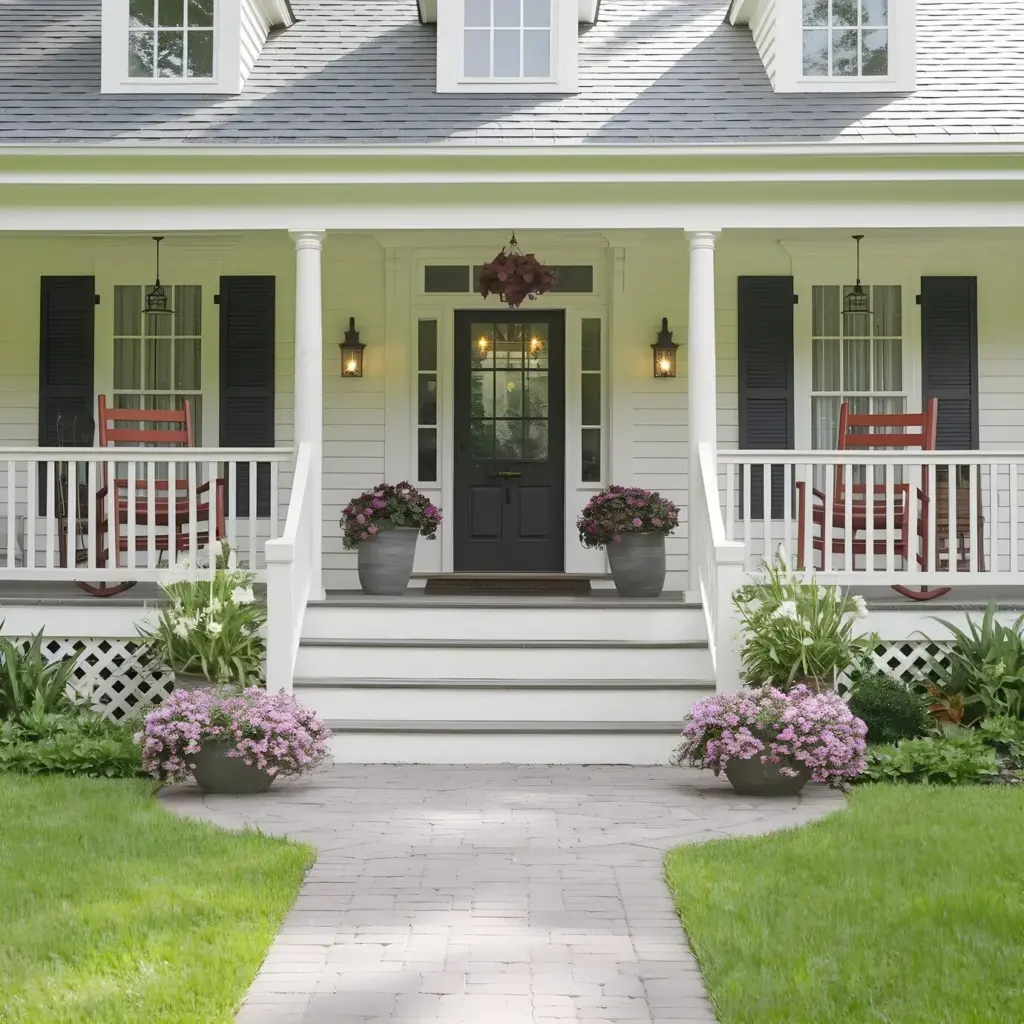
Busy thresholds set the tone. Add interior gates to separate outdoor excitement from indoor calm, and place textured mats to catch dirt and paws. Anchor coat trees or choose wall hooks to avoid tipping. A bench with closed storage keeps leashes, wipes, and child shoes handy while hiding potential chewing temptations. Consider slow-close door hinges and high-mounted security latches that adults can reach easily. Label hooks by name so routines form quickly, easing morning exits and evening arrivals without chaos.
Kitchen and Bath Precautions
These rooms require layered safeguards because water, heat, and chemicals converge here. Install stove knob covers, slip-resistant rugs, and magnetic locks on cabinets holding cleaners or medications. Keep pet food sealed to avoid midnight raids and teach children where their snacks live safely. In baths, use soft-close toilet lids and secure trash cans, then add non-slip tub stickers. Consider a step stool with a wide base and rubber feet. Organize within reach to discourage climbing. Small adjustments prevent big emergencies.
Wires, Windows, and Heights
Tuck cords into raceways, mount surge protectors out of reach, and select cordless blinds to eliminate loop hazards for pets and toddlers. Anchor tall bookcases and dressers to studs, then verify window screens are intact and properly seated. Place cozy resting spots away from ledges to reduce risky jumps. If a cat loves height, offer a stable tower in a safe zone. For curious toddlers, install window guards and furniture straps. Reducing tempting hazards preserves independence without sacrificing security or comfort.
Zoning that Calms Chaos
A Kid-Ready Play Corner
Choose a corner with natural light and sturdy storage. Low cubbies invite independent clean-up, while labeled bins turn tidying into a game. Include a soft rug to ground blocks, art, and puzzles, and angle furniture to keep the area visible from the kitchen. Add a floor lamp with a stable base for evening play. Rotate toys to maintain excitement without clutter. A dedicated play corner signals permission to create, explore, and then pause—an empowering ritual that makes the rest of the home feel calmer.
A Pet Refuge and Feeding Station
Establish a retreat that dampens noise and foot traffic. A crate with a breathable cover, a raised feeder with spill tray, and a washable mat create order. Keep water away from charging cables and high-traffic doors. Add a toy basket and a predictable chew spot so impulse nibbling finds appropriate outlets. Position litter boxes with privacy and ventilation, never next to their bowls. Clear routines and a quiet refuge help pets self-soothe during transitions, reducing stress barking, door dashing, and anxious pacing.

Durable Choices that Still Feel Beautiful
Move-In Day with Little Paws and Small Shoes
A Gentle Arrival Plan
Arrive before the truck to set water, snacks, and familiar blankets in the quiet room. Close blinds partially to dim stimulation. Introduce just one new area at a time, starting with the bathroom or sanctuary space. Keep voices low and expectations lower. Remind helpers where gates and latches belong. Celebrate tiny wins—first nap on the new rug, first tail wag at the window. A gentle rhythm reassures nervous pets and curious children that their needs come first, even amid stacked boxes.
Crate, Carrier, and Comfort Items
A crate becomes a safe harbor when positioned away from foot traffic and paired with a worn T-shirt that smells like home. For cats, a covered carrier left open encourages curiosity between moves. Keep a collapsible water bowl and a few familiar toys accessible. Children appreciate a designated backpack with favorite storybooks, a soft nightlight, and a cozy hoodie. When everyone has a personal comfort kit within reach, patience lasts longer, transitions soften, and new spaces feel friendlier faster.

Routines, Training, and Boundaries
Maintenance that Extends the Life of Your Home